
Celebrating Physiotherapy Month: The Mind-Body Connection
May 20, 2026
|
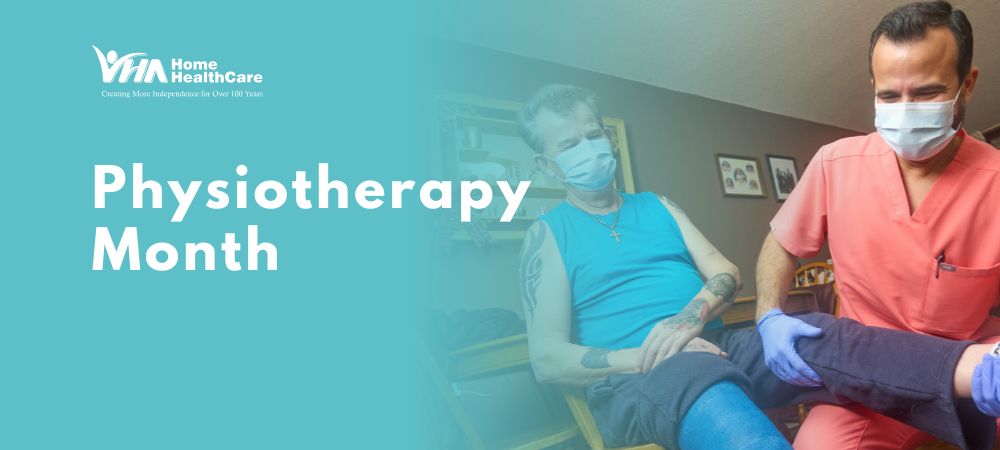
Each May, during National Physiotherapy Month, we recognize and celebrate the important role physiotherapists (PTs) and physiotherapist assistants (PTAs) play in supporting the health and well-being of Canadians. At VHA Home HealthCare (VHA) and Champlain Rehab Solutions, our physiotherapy teams support clients in their homes, schools, and communities through a wide range of services, including pain management, chest therapy, fall prevention, return-to-work assessments, and assistive device recommendations.
To help us recognize Physiotherapy Month, we’re highlighting an important and often overlooked impact of physiotherapy. It is not only about physical care, but is also deeply connected to mental and emotional well-being. This connection is an important part of how physiotherapy supports person-centred care.
The Connection Between Physical and Emotional Health
After an injury, surgery, fall, or diagnosis of a chronic condition, the effects often extend beyond the body. Some people begin to move more cautiously after a painful experience. A fall may lead to hesitation with the stairs or walking alone. Living with a chronic illness can also change how people engage in daily life, as movement begins to feel more uncertain or limited. Over time, these experiences can affect more than physical ability. They can influence confidence, independence, daily routines, sleep, mood, and social connections.
Physical challenges and emotional responses are closely linked. Pain and reduced mobility can contribute to stress and frustration, while fear and anxiety can make movement feel harder during health changes. This interaction is often referred to as the mind-body connection.
Physiotherapy In Practice

Niloofar Atri, PT
Physiotherapists understand this connection and support clients in ways that are responsive to the whole person, not just their physical symptoms. In home care, physiotherapy is especially valuable because treatment happens in the environments where clients live and move each day. Stairs, bathroom layouts, furniture height, and lighting throughout the home all factor into care. Physiotherapists can identify barriers, recommend safety supports, and help clients practice meaningful daily activities within their living space.
As clients rebuild strength and mobility, everyday tasks that once felt uncertain can become more manageable. For some, this includes returning to work, where confidence can gradually rebuild alongside physical progress. In other cases, the focus is on maintaining independence and preventing decline.
“Home care physiotherapy goes beyond exercises and mobility,” says Niloofar Atri, registered physiotherapist at VHA Home HealthCare. “Because we work in clients’ homes, we can identify real-life barriers, recommend practical supports, and help people move more safely and independently in their daily lives.”
“Ultimately, our goal is to help clients remain as safe and independent as possible at home while improving their overall quality of life,” she adds.
This kind of support can have a meaningful impact on both physical and emotional well-being. Meeting each client’s unique needs is a central part of the care provided by physiotherapists and physiotherapist assistants every day.
Recognizing Our Physiotherapy Team
Happy National Physiotherapy Month to our PTs and PTAs from all of us at VHA and Champlain Rehab Solutions. Today and every day, we recognize and appreciate the many ways physiotherapists and physiotherapy assistants support our clients and families.
Thank you for the care, compassion and expertise you bring to improving mobility, supporting independence, and enhancing overall well-being. Your work makes a meaningful difference in the lives of the people we support every day.