
Wildfire Smoke and Older Adults: How to Protect Your Health During Poor Air Quality
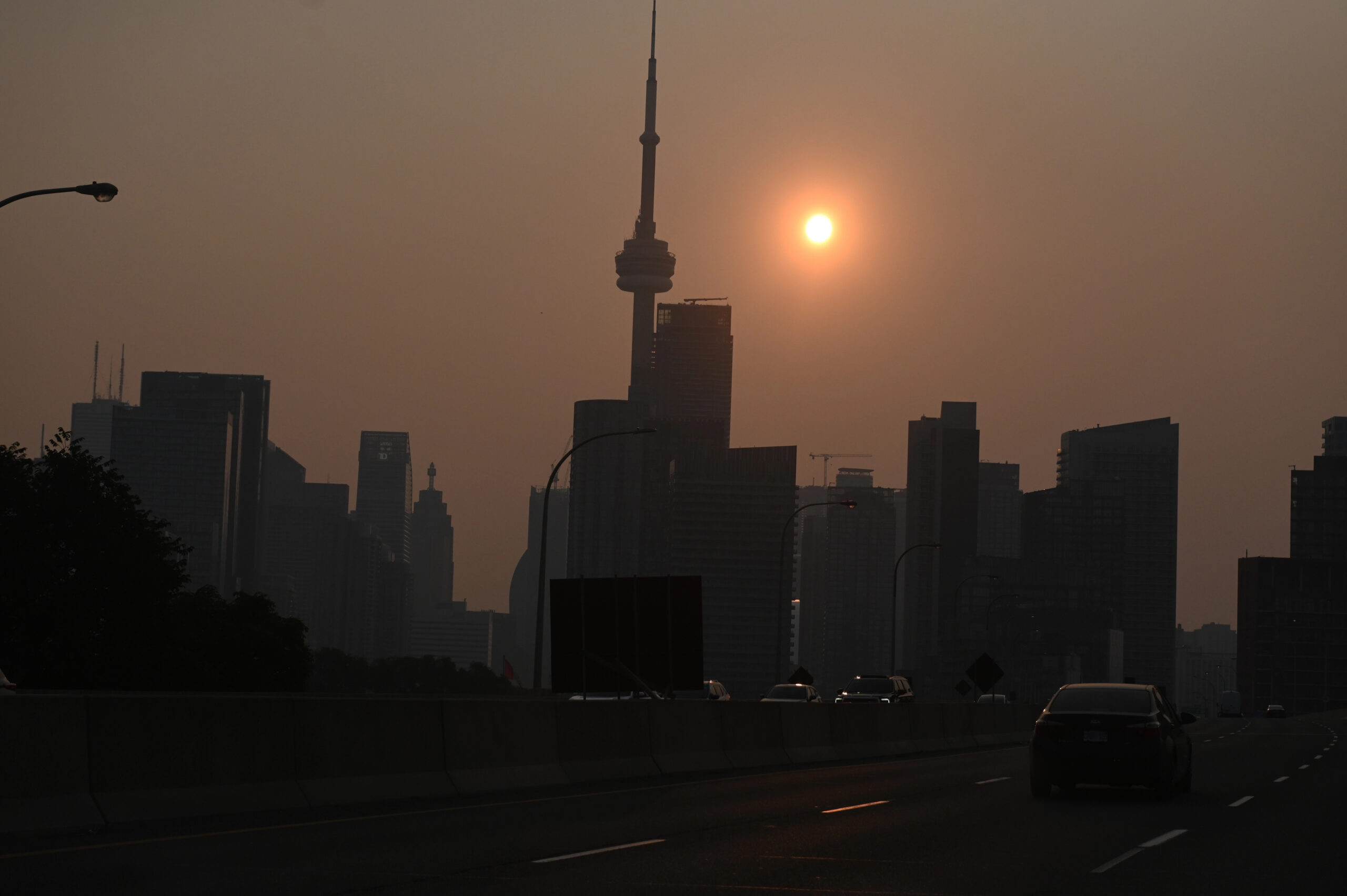
Wildfire season is a growing concern across Canada. In recent years, longer wildfire seasons and more frequent and intense fires have affected air quality in communities across the country. Smoke from wildfires can travel thousands of kilometres, carried by wind patterns and weather systems. As a result, communities far from active fires may experience smoky skies and unhealthy air quality.
Wildfire smoke contains a mixture of gases and tiny airborne particles that can affect your health, even when the smoke isn’t visible or you can’t smell it. This is especially important for older adults, who may be more vulnerable to the effects of wildfire smoke.
How Can Wildfire Smoke Affect Your Health?
Wildfire smoke is a complex mixture of gases and tiny airborne particles. The greatest health concern comes from fine particles known as PM2.5, which are small enough to travel deep into the lungs. Health risks are greatest when smoke levels are high, or exposure lasts for long periods.
Once inhaled, these particles can trigger inflammation and make it harder for your body to get the oxygen it needs. Breathing wildfire smoke can irritate your eyes, nose, throat and lungs. It can also worsen existing health conditions, especially those affecting the lungs and cardiovascular system.
Common symptoms of wildfire smoke exposure may include:
- Coughing
- Increased mucus
- Sore throat
- Headache
- Eye, nose, or sinus irritation
- Shortness of breath
- Chest tightness
- Wheezing
- Fatigue
- Rapid or irregular heartbeat
Why Are Older Adults More Affected?
While wildfire smoke can affect everyone, older adults may face greater health risks. As we age, our lungs and immune systems become less resilient, making it harder for the body to respond to and recover from poor air quality. Because of these changes, even healthy older adults may experience symptoms when air quality is poor. Older adults are also more likely to live with chronic health conditions that can be worsened by wildfire smoke, including:
- Asthma
- Chronic obstructive pulmonary disease (COPD)
- Heart disease
- Other lung or respiratory conditions
How to Protect Yourself
During wildfire season, it’s important to be aware of and reduce your exposure to wildfire smoke. The following tips can help you respond to changing air quality conditions:
Monitor Air Quality
Smoke conditions can change quickly, and air quality may be unhealthy even when the sky looks clear or you cannot see or smell the smoke. During wildfire season, check the Air Quality Health Index (AQHI) each day, just as you would check the weather forecast. The AQHI provides recommendations based on the level of health risk, helping you decide when it’s safer to reduce or avoid outdoor activities.
Limit Time Outdoors
When air quality is poor, spend as little time outdoors as possible, especially if you’re exercising or doing strenuous activities. If you’re able, consider exercising indoors instead, such as at a gym, shopping mall or community centre, until air quality improves. If you need to go outside when air quality is poor, wear a well-fitting N95 mask to help filter fine particles in wildfire smoke. Pay attention to how you feel and go indoors if you begin to feel unwell.
Keep Indoor Air Clean
When smoke levels are high, keep windows and doors closed whenever possible. If you use air conditioning, keep the fresh air intake closed and make sure the filter is clean. If you have a portable HEPA air purifier, use it to help remove fine particles from the air. Avoid adding more pollutants indoors by limiting candles, fireplaces, or other activities that create extra dust or smoke.
If there is extreme heat along with poor air quality, staying cool should remain your priority. If you don’t have air conditioning, consider spending time in a cool public space, such as a library or a local cooling centre.
Know When to Seek Medical Attention
If you have a chronic heart or lung condition, speak with your healthcare provider about how to prepare for wildfire smoke and what symptoms to watch for.
Contact a health provider if your symptoms worsen or do not improve. Seek urgent medical care if you experience: or seek urgent medical care if you experience:
- Difficulty breathing
- Chest pain or pressure
- Severe or worsening cough
- Dizziness or unusual fatigue
- A rapid or irregular heartbeat
- Signs of stroke such as sudden weakness, confusion, trouble speaking or vision changes
If at any time you think you are experiencing a medical emergency, call 911 immediately.
Plan Ahead
Wildfire smoke is becoming a reality in many parts of Canada, with longer and more intense wildfire seasons affecting air quality in communities across the country. By staying informed, monitoring air quality, and having a plan for smoky days, older adults and their families can take steps to protect their health. Remember to check in on neighbours, friends and loved ones who may be more vulnerable to the effects of wildfire smoke, especially during periods of poor air quality.
For more information about wildfire smoke and health, visit Health Canada’s wildfire smoke resources.
If you enjoyed this article, you may also want to read: