
What does a home care physiotherapist do? Niloofar, a Registered Physiotherapist, answers a few common questions.
July 27, 2026
|
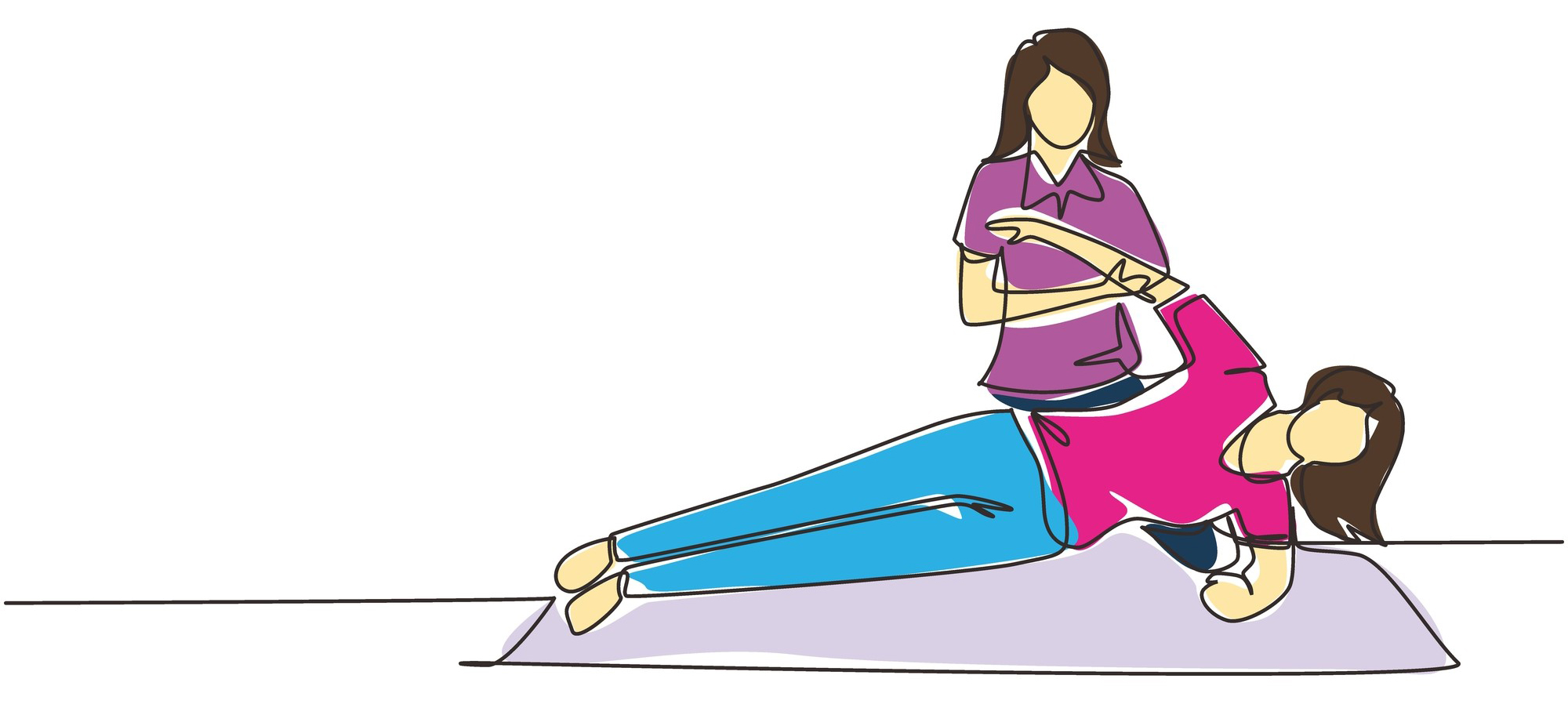
When most people think about physiotherapy, they imagine someone teaching stretches and a few exercises to help their client through the process of rehabilitation after a surgery or injury. The truth is that a lot more goes into shaping a client’s journey to recovery, especially when it comes to home and community care physiotherapy. We asked Niloofar, a seasoned Registered Physiotherapist here at VHA to answer some of the most common questions she gets, including “What does a physiotherapist in a home care setting do?”
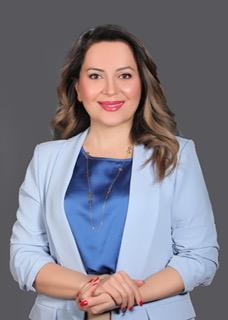
First and foremost, Niloofar’s role focuses on helping her clients regain and maintain safe independence in their own home environment. When she first arrives at a new client’s house, she begins with a comprehensive in-home assessment.
“I start by checking for both personal and environmental factors that can potentially impact the recovery journey of my client,” explains Niloofar. “Environmentally, I check for anything that might aid or impede with mobility like their washroom and shower area, their bed or stairs. For personal factors, I make sure I have a good understanding of their strength, range of motion and potentially their pain levels.”
Understanding a client’s actual living space can make a real difference in how to best approach their recovery. It can lead to recommendations that can only be found through a home visit such as suggesting aids like grab bars or raised toilet seats.
Another common question is “How do you ensure the plan you create is personalized for me?”
After properly assessing a client, Niloofar sets out to develop a rehabilitation plan that specifically fits her client’s needs. This can often vary widely depending on what has caused the need for rehab. For example, if her client requires stroke or neurological rehabilitation, the plan she helps them develop will be very different from a person who’s recently received knee replacement surgery.
“Knowing the type of rehabilitation they need helps me plan from a large option of therapeutic exercises for strength and endurance, balance and gait or even supporting with fall prevention strategies,” tells Niloofar. “I also stress the importance of energy conservation and pacing. A large part of my role is education for both my clients and, often, their caregivers. Part of my job is to teach safe transfer techniques and proper use of mobility aids like walkers or canes.”
To ensure her clients receive the best possible care, she often works as part of a larger care team which can include occupational therapists, nurses, PSWs and physicians.
“Ultimately, my goal is to help my patients remain independent and as safe as possible in their homes, prevent hospital readmissions, and improve their overall quality of life.”
She also often gets asked “What is the referral process for publicly-funded in home physiotherapy and what’s the eligibility criteria?”
For Niloofar, as a VHA physiotherapist, clients are typically referred to her through Ontario Health atHome. She’s connected with patients who’ve recently been discharged from a hospital or are sometimes referred directly by their physician or other health professional. Some patients also self-refer to physiotherapy service by contacting Ontario Health atHome.
Eligibility is based on medical needs and functional ability. Her clients are usually homebound, recovering from surgery or illness, at risk of falls or require support to remain at home.
“When it comes to publicly-funded programs, I am typically connected with clients after they’ve received assessment from a care coordinator.” says Niloofar.
Physiotherapists, like Niloofar, are essential to the recovery for many of our clients. The skills and knowledge she uses to guide her clients and their caregivers helps ensure they get the support they need in the comfort of their own home.
Learn more about physiotherapy at VHA, provided by expert Registered Physiotherapists, here.