
Tailoring a unique physiotherapy routine for each client: Insight from Mira, a Registered Physiotherapist
August 17, 2026
|
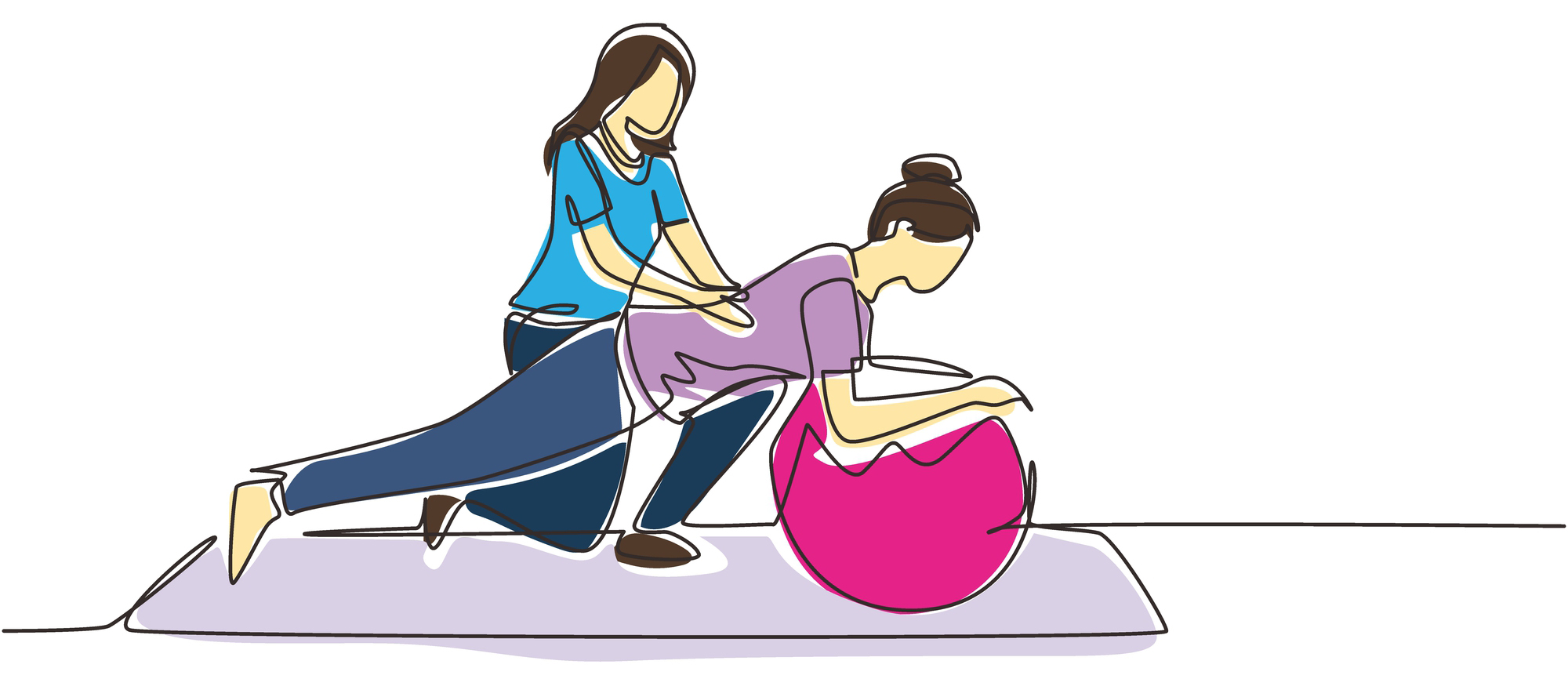

The needs and capabilities of each client in a homecare setting are unique. Creating a rehabilitation plan that meets a client’s unique needs can be what turns a good recovery into a great recovery. However, creating a personalized plan takes a high degree of clinical expertise and know-how, factoring in f a client’s particular requirements, limitations and even their motivation levels. Understanding how to not only build but execute these plans in a home and community care environment requires a highly skilled physiotherapist.
For the past 17 years, Mira has worked at VHA as a Registered Therapist and her job has been exactly this—to work with clients in their homes and guide them through their rehabilitation journey with a plan perfectly suited for them. We asked her a few questions to gain her insight into what makes a personalized physiotherapy plan effective and what are some of the most common, or less common, influences that she must consider. Here’s what she had to say:
How do you go about personalizing a plan for your clients? For example, what might be different when creating a plan for a senior in comparison to a younger adult?
Personalizing a treatment plan largely depends on the patient’s diagnosis and what the goals of the referral are to help guide an intervention plan. Referrals may come in for mobility and home safety assessments, increasing balance, strength and endurance to name a few.
When taking into account the age of the patient, older adult/senior vs younger adult, diagnosis and past medical history helps tailor an exercise program. For instance, if a patient has a pacemaker or suffers from congestive heart failure, for an elderly patient their home exercise program may be focused on low impact exercises that are less strenuous. Whereas for younger adults they may be able to tolerate slightly more challenging exercises, increased repetitions and sets, depending again on their diagnosis.
Another factor to take into consideration is if they have family members that are available to assist them with the exercises as well.
How does a client’s environment make a difference in the plan you help develop? For example, a person in a house vs. a person in an apartment.
A patient’s environment can sometimes make a difference when planning for exercises, however I like to make do with whatever space is available where my patients can safely perform their exercises. For example, being in a house may sometimes provide more room when it comes to performing graduated walking exercises, whereas a smaller apartment may have limited space. Either way we make do with whatever space is available.
What goes into making a plan for your clients and what are some of the most common, or less considered, influences you come across?
A patient’s diagnosis, prognosis, and our initial assessments play a large role when considering what kind of home exercise program to personalize for them. How much exercises a patient can tolerate, as well as a patient’s willingness to complete their exercises on a regular basis will impact their healing progress.
Some patients are able to progress faster towards their mobility goals than others, depending on their previous fitness level and their motivation. Having family members around to help and support the patient is always very helpful and motivating .. Some patients may have decreased memory and therefore would benefit from assistance with reminders to do the exercises daily. Patients that have weight-bearing restrictions and range of motion restrictions would also benefit from having support to assist with mobility and performing their exercises safely.
Physiotherapists, like Mira, play an integral part in the rehabilitation supports client receive from VHA. Whether they’re recovering from injury, illness, suffering from a chronic condition or aging, the care they receive helps them improve mobility and strength in the comfort of their own homes. Learn more about physiotherapy supports at VHA.