
What Caregivers Wish You Knew: Voices From VHA Families
Caring for a loved one at home can be both deeply meaningful and profoundly demanding. Many caregivers step into this role quickly or unexpectedly, taking on the responsibility of preserving a loved one’s independence and quality of life while managing medications, appointments and household tasks. Much of this work happens quietly, and with limited financial, emotional or practical support.
Across Canada, nearly eight million people, or roughly one in four, provide informal care to a family member or friend who is aging, living with a disability or managing a chronic illness. Their efforts help loved ones remain safely at home and reduce pressure on hospitals and long-term care. In recognition of National Caregiver Day, we spoke with two caregivers whose loved ones have received support through VHA. They shared what they wish others understood about caregiving, the supports that made a difference and the realities of caring for someone day in and day out. Here’s what they had to say.
Roxanne

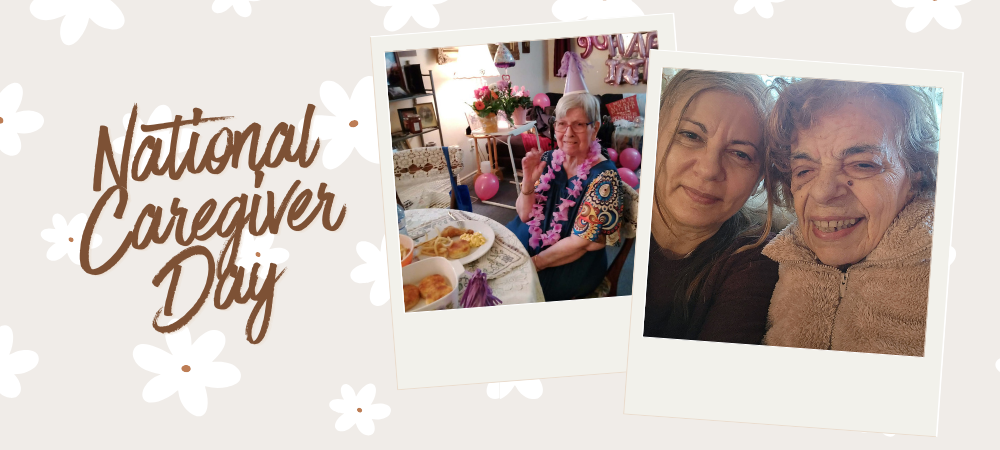
Roxanne’s mother celebrating her 90th birthday at home
When Roxanne’s mother was diagnosed with cancer, the doctors expected she only had weeks or months to live. Instead, she defied the odds and celebrated her 90th birthday three years later.
During that time, Roxanne brought her mother home and became her primary caregiver. As her mother’s health declined and she resisted outside help, Roxanne struggled to balance her mother’s wishes with ensuring her safety. Eventually, support from PSWs and nurses became essential for both her mother’s care and Roxanne’s well-being.
“It’s so important to have that outside person,” Roxanne says. “Someone who can help you navigate the system, be a voice of reason and really affirm that you’re doing the right thing. In the end, our care providers become part of our family. I didn’t expect that.”
Even with professional support, the emotional weight remained heavy. Roxanne wasn’t prepared for the depth of guilt she felt as a caregiver. “The guilt of not being able to stop what my mother was going through and questioning every decision—hoping she wouldn’t give up and feeling selfish for not wanting to let her go.”
And yet, even in the hardest moments, there was unexpected humour. After her illness caused cognitive changes, Roxanne’s mother once insisted there was a monkey under the bed. “ She said it with such certainty that I almost looked. We still laugh about that. Humour always helps,” she says.
Looking back, Roxanne wants other caregivers to know that complicated emotions are normal. “It’s okay to feel like you just want to scream, or that you want it all to stop,” she says. “But you have to take care of yourself. If you don’t, you won’t be able to care for anyone else.”
Roxanne also encourages caregivers to keep making memories. “Celebrate the big moments and the small, unexpected ones,” she says. “You’ll hold onto those forever.”
Helen
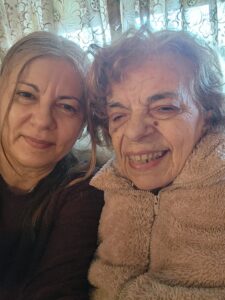
Helen and her Mom, Irene
Caregiving became a full-time role for Helen almost overnight. When she and her sister first noticed changes in their mother Irene’s memory, they assumed a few doctor visits and weekly check-ins would be enough.
“Boy, were we wrong,” Helen says. Within months, their lives completely changed as they juggled medical appointments, medications and the ongoing upkeep of their mother’s home.
“The physical care, along with cooking, cleaning, laundry, and even snow shovelling, adds up. You realize quickly how overwhelming it can be,” she explains.
Proud and fiercely independent, Irene took about a year to accept outside help. Eventually, the support of a PSW became a critical lifeline. “Our PSW has taken so many tasks off our hands, making things more manageable,” Helen says. “My mom can live safely and with dignity, and we can finally make plans outside of the home.”
Still, Helen is candid about the toll caregiving takes. “This is a 24-7 responsibility. It’s draining and exhausting, and it can make you feel invisible. You are going to need help,” she shares.
Connecting with other caregivers has helped Helen feel less alone. “You learn from others, make contacts and realize you’re not the only one navigating this.”
Helen’s biggest advice to caregivers is to prioritize self-care. “Even though it’s challenging, don’t lose your social connections. Your friends and family matter. Do things you enjoy. Go to the movies, read a book or meet a friend for coffee. It’s not easy to prioritize you, but you have to.”
Roxanne and Helen each have different caregiving journeys, but their stories share common threads: the emotional and physical demands, the importance of support and the moments of connection that make it meaningful. Caregiving isn’t about getting everything perfectly right—it’s about showing up and doing your best.
On National Caregiver Day, we honour the millions of people across the country who provide care, often without recognition or reward. Your dedication makes a difference, your well-being matters and the time you carve out for yourself is just as important as the care you give to others. Happy National Caregiver Day!