
Understanding Hygiene Changes in Older Adults
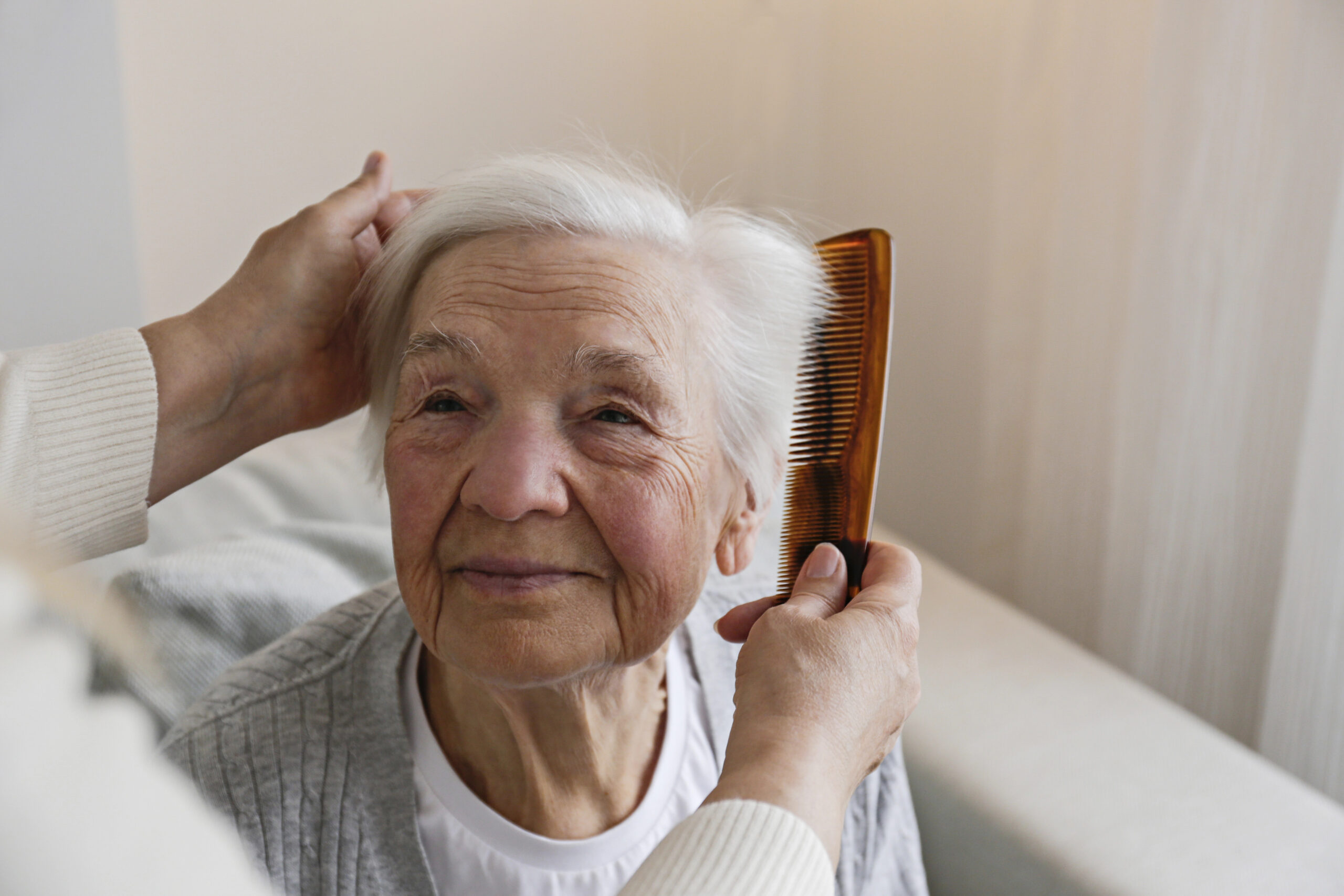
Our individual hygiene habits are a deeply personal part of daily life, and it is something many of us are able to manage without much thought. Bathing, brushing our teeth, washing our hair, and changing into clean clothes can offer comfort, dignity, and a sense of routine. But as people age, these everyday tasks can become harder to manage. For many older adults, personal care may become gradually tiring, uncomfortable, overwhelming, or even unsafe.
If you’ve noticed an aging loved one having difficulty keeping up with their typical self-care, it’s important to approach the change with curiosity and compassion rather than judgment. These shifts are rarely a matter of stubbornness or laziness. More often, they reflect an underlying physical, cognitive, or emotional challenge that may be making personal care harder than it once was. Noticing these changes early can help families respond with understanding and practical support before an older adult’s health, safety, comfort, or quality of life is affected.
Recognizing Changes in Personal Hygiene
Changes in personal hygiene can happen gradually and may not be obvious at first. Some common signs to watch for include:
- Wearing the same clothing repeatedly or wearing unwashed or stained clothing
- Hair that appears less clean or cared for than usual
- Neglected oral care, such as less frequent brushing or signs that dental support may be needed
- Fingernails or toenails that appear longer than usual or need care
- Skin irritation, rashes, or sores
- Repeated urinary tract infections
- Avoiding visitors or social activities
- Loss of interest in grooming or personal appearance
- Becoming upset, embarrassed, or uncomfortable when personal care is discussed
One change on its own may not be concerning, but several changes happening together may indicate that an older adult needs additional support.
Common Causes of Hygiene Decline
When hygiene habits change, there is usually an underlying reason. Possible causes may include:
- Mobility Challenges: Conditions such as arthritis, chronic pain, muscle weakness, or balance problems can make personal care more difficult. Tasks like stepping into a bathtub, bending to wash feet, or trimming toenails may no longer feel safe or manageable.
- Cognitive Changes: A decline in personal hygiene can sometimes be an early sign of Alzheimer’s or another type of dementia. People living with cognitive decline may forget to bathe, lose track of routines, or become confused about how to complete hygiene tasks.
- Fear and Discomfort: Bathrooms are a common site for falls. Slippery surfaces or difficulty getting in and out of the tub or shower may make bathing feel unsafe. Older adults may also avoid bathing if they feel cold easily or find the experience uncomfortable.
- Depression, Grief or Isolation: A loss of interest in personal hygiene can be a sign of depression. Grief, declining health, chronic illness, or reduced social connection can also affect an older adult’s motivation and energy.
- Medication Side Effects: Some medications can cause fatigue, dizziness, confusion or dry mouth, making hygiene routines more challenging.
- Changes in Senses: Declining vision or sense of smell that can occur with age may make it harder to notice body odour, stains on clothing, or other signs that personal care is needed.
- Embarrassment: Concerns about modesty, incontinence, or needing help with personal tasks may cause some older adults to avoid asking for assistance.
- Changes in Routine: Some older adults may lose track of time or have less motivation to maintain routines when they have fewer activities, visitors, or outings.
How Loved Ones Can Help
Supporting a loved one with hygiene challenges requires patience, empathy, and an understanding of what may be causing the change. The goal is not to take over, but to help maintain their dignity, comfort and independence.
Lead with Compassion
Avoid criticism or comments about appearance or odour. Instead, focus on comfort, safety and support. Rather than saying, “You need a shower,” try “I’ve noticed bathing seems a little more difficult lately. Is there anything I can do to make it easier?”
Create a Consistent Routine
Scheduling personal care tasks at the same time each day and breaking them into smaller steps can make hygiene routines easier to remember and manage. Visual reminders such as sticky notes, checklists or phone alarms may also help provide cues and support routines.
Make Small Adjustments
Helpful tools and simple swaps can reduce challenges and improve safety. These may include long-handled brushes, electric toothbrushes, handheld showerheads, grab bars, non-slip mats, and no-rinse shampoo or body wash for days when a full shower isn’t possible. Clothing that is easier to put on and remove, such as items with elastic waistbands, zippers or Velcro closures, can also help maintain independence.
Respect Privacy and Preferences
Whenever possible, involve your loved one in decisions about their care. Allow them to choose when they bathe, what products they use, and how much assistance they would like. Small comforts such as warm towels, favourite music or spa-like products can help make personal care feel more enjoyable.
Talk to Healthcare Provider
If hygiene habits change suddenly or continue to decline, it’s worth discussing your concerns with a healthcare provider. They can assess for underlying medical conditions, depression, medication side effects, or cognitive changes that may be contributing.
Sometimes, despite a family’s best efforts, managing personal care and safety at home can become too challenging. Professional caregivers can provide compassionate support that helps older adults maintain their dignity, comfort and independence while continuing to live safely at home.
If you need assistance with your loved one’s hygiene and personal care needs, a VHA Home HealthCare provider may be able to assist. Call our Customer Service Line to learn more about how our services can help you or your loved ones at 1-888-314-6622.
If you enjoyed this article, you may also want to read: