
Preventing Pressure Injuries: A Guide for Caregivers
May 6, 2026
|
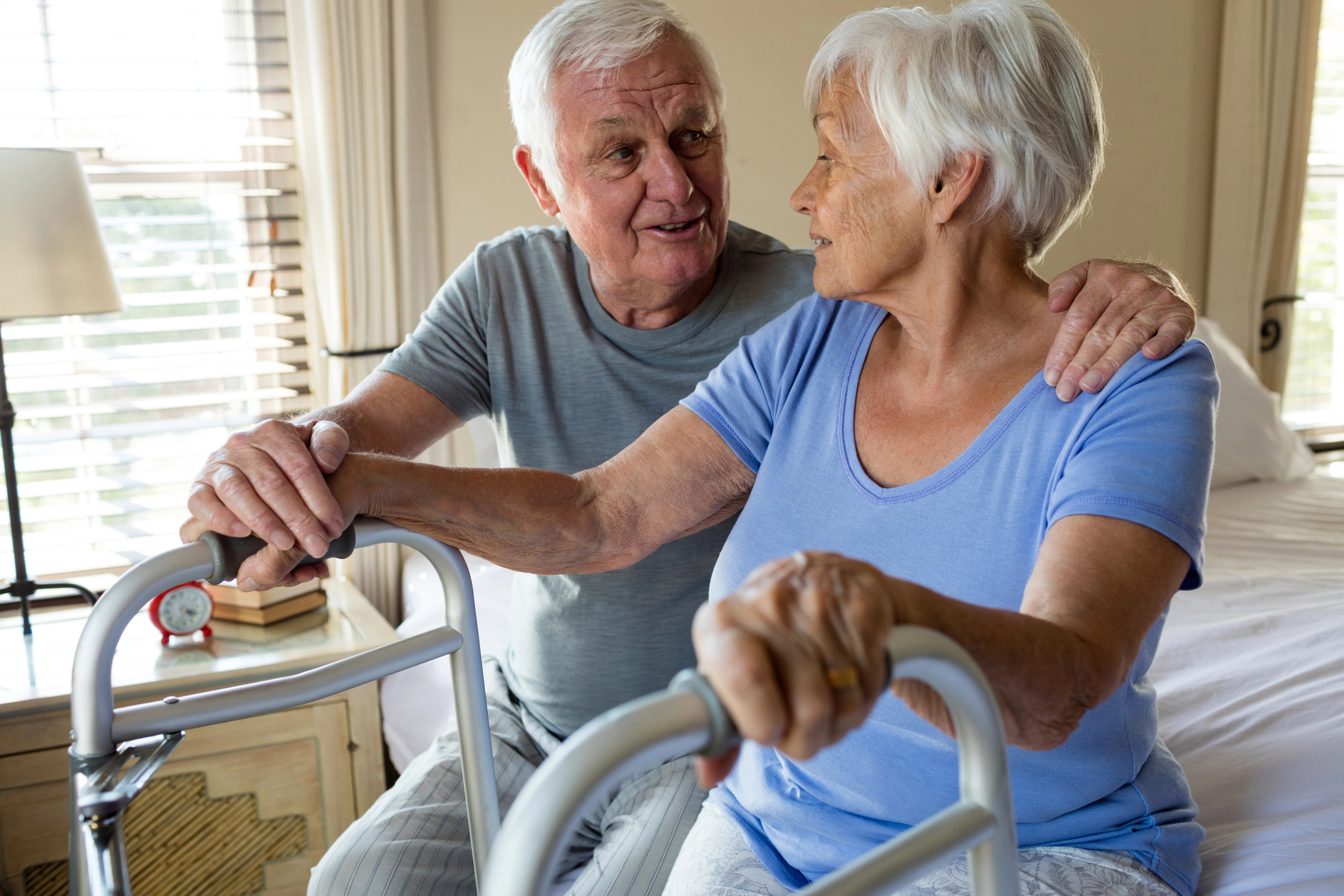
Caring for someone who is bedbound or uses a wheelchair comes with many challenges, and one of the most important yet often overlooked is protecting their skin. When someone has limited mobility or spends extended periods in bed or seated, their risk of pressure injuries increases.
Pressure injuries, also known as bedsores or pressure ulcers, happen when skin is damaged from too much pressure over time. They can develop quickly and worsen without early intervention, which is why consistent daily care and regular skin checks are essential. Small changes can happen fast, but when caught early, they are much easier to manage. If you notice any signs of skin breakdown, persistent redness, or open areas, it’s important to consult a healthcare provider immediately for proper assessment and treatment.
What Are Pressure Injuries?
Pressure injuries are damage to the skin and underlying tissue caused by prolonged pressure on one area of the body, often combined with friction, moisture, or shear (when the skin is pulled or stretched from sliding down in a bed or chair). They typically develop over bony areas, including:
- Tailbone and lower back
- Hips and buttocks
- Heels and ankles
- Elbows and shoulders
- Back of the head
They may begin as red, purple or darkened areas of skin, but can progress to deeper wounds affecting muscle, underlying tissue and even bone. Because pressure reduces blood flow to the skin, these injuries can lead to serious infections and, in some cases, become life-threatening if not treated.
Why Do Pressure Injuries Happen?
For people with limited mobility who spend long periods in bed or seated, staying in one position can place sustained pressure on certain areas of the body. Over time, this pressure can reduce or block blood flow to the skin. Without enough oxygen and nutrients, skin cells begin to break down. Several factors can increase risk, including:
- Friction from rubbing against sheets or surfaces.
- Shear from sliding down in a bed or chair.
- Moisture from sweat, urine or stool.
- Reduced circulation due to diabetes or vascular conditions.
- Clothing that is tight, wrinkled or ill-fitting.
- Seams, zippers, or folds in clothing or bedding.
- Medical equipment pressing on the skin.
Often, it’s a combination of these factors over time that leads to skin breakdown.
Prevention: Daily Care That Makes a Difference
Preventing pressure injuries is about relieving pressure, protecting the skin and catching early changes before they worsen. Everyday care and vigilance are key to keeping skin healthy.
- Reposition Regularly
- In bed: change position at least every 2 hours.
- In a chair or wheelchair: shift weight every 5-15 minutes.
- Follow a turning schedule overnight based on guidance from a healthcare provider.
- Whenever possible, lift or roll instead of dragging to avoid friction and skin damage.
- Protect High-Risk Areas
- Use proper support surfaces, such as pressure-relieving mattresses, overlays, wheelchair cushions, or foam supports to cushion bony areas, as recommended by a healthcare provider.
- Avoid towels, blankets or donut-shaped cushions for positioning, as they can create uneven pressure and friction.
- Limit raising the head of the bed for long periods, which can increase pressure on the lower back and buttocks.
- Keep Skin Clean and Dry
- Clean skin promptly after contact with urine or stool.
- Use moisture barrier creams to protect against irritation.
- Bathe with gentle soap and warm (not hot) water and avoid scrubbing fragile skin.
- Change bedsheets, clothing and undergarments regularly.
- Check Skin Every Day
- Inspect the skin at least once or twice daily, especially in high-risk areas.
- Watch for: changes in skin colour (redness, darkening or discolouration), areas that feel warm, firm or swollen, or new tenderness or sensitivity.
Early changes may not look severe, but early detection can prevent serious damage.
- Support Overall Health
- Encourage a balanced diet with protein, fruits and vegetables to support tissue repair.
- Ensure adequate hydration, which also helps with skin health.
- Support as much safe movement or activity as possible to promote circulation.
- Maintain a stable, healthy weight when possible.
- Avoid smoking, which reduces blood flow and slows healing.
When to Seek Medical Help
If someone is at risk for pressure injuries, it’s important to act quickly when warning signs appear. Contact a healthcare provider if you notice:
- Changes in skin colour
- Persistent pain, tenderness or warmth
- Swelling or hardness under the skin
- Open sores or blisters
- Foul odour
- Drainage or pus
- Fever or chills
These symptoms may indicate an infection or worsening injury and require medical attention.
Pressure injuries can develop quickly, are often difficult to heal, and can lead to serious complications if left untreated. Consistent, attentive care can make all the difference. If you notice any changes or warning signs, don’t wait—early intervention is key. With regular repositioning, daily skin checks, good hygiene and proper support surfaces, you can help protect your loved one’s comfort, dignity and overall health.
If you are struggling to manage your loved one’s repositioning schedule, skin checks or personal hygiene needs, a paid caregiver can assist you. Contact VHA’s Enterprise Health Solutions team at 416-489-2500 ext. 4649 or by email at ehs@vha.ca for more information on how we can help.
If you enjoyed this article, you may also want to read: