
Emergency Preparedness Tips: Plan Ahead to Stay Safe
Emergencies can happen at any time and often without warning. From winter storms and floods to wildfires or power outages, being ready can make all the difference. Understanding the risks in your area, creating a household emergency plan and building an emergency kit will help you stay safe when it matters most.
In a serious emergency, first responders will act as quickly as they can, but they can’t reach everyone at once. Some situations, like power outages or extreme weather, may simply take time to resolve. Having a plan and basic supplies will help you stay safe, comfortable and self-sufficient until help arrives or services are restored. Taking a few steps now can help you respond quickly, reduce stress and keep everyone in your household protected.
Make an Emergency Plan
Every household needs an emergency plan tailored to your home, family and specific needs to help you act quickly and stay connected in an emergency. It’s also important to understand which emergencies are most likely in your area so you can prepare for the situations that matter most. Your plan should include:
- Escape Routes: Identify all main and alternate exits, such as back doors or garages. If you live in a high-rise building, always use the stairs, not elevators.
- Home Safety Details: Make sure everyone knows how to operate your fire extinguishers and essential shutoffs like electrical panels, water and gas valves, and sump pump. If you have a generator or backup power source, ensure it’s properly maintained and that everyone knows how and when to use it safely.
- Meeting Places: Choose one nearby location, such as a community centre or library, and another farther away in case the emergency affects a larger area. Also, pick a spot outside your home for fire or evacuation situations.
- Emergency Contacts: List important contacts—family doctor, insurance and utility companies and trusted family, friends and neighbours—and program them into your phone. Post a copy at home and keep an extra in your wallet. Teach children how to dial 911, what to say and who else to contact in an emergency.
- Household Needs: Consider everyone in your home, including children, older adults and people with disabilities. List any medications, medical equipment or support they may need and communicate these needs with your emergency contacts or caregivers.
Go over your emergency plan twice a year and review it annually. Keep a copy where everyone, including caregivers or babysitters, can find it.
Build an Emergency Kit
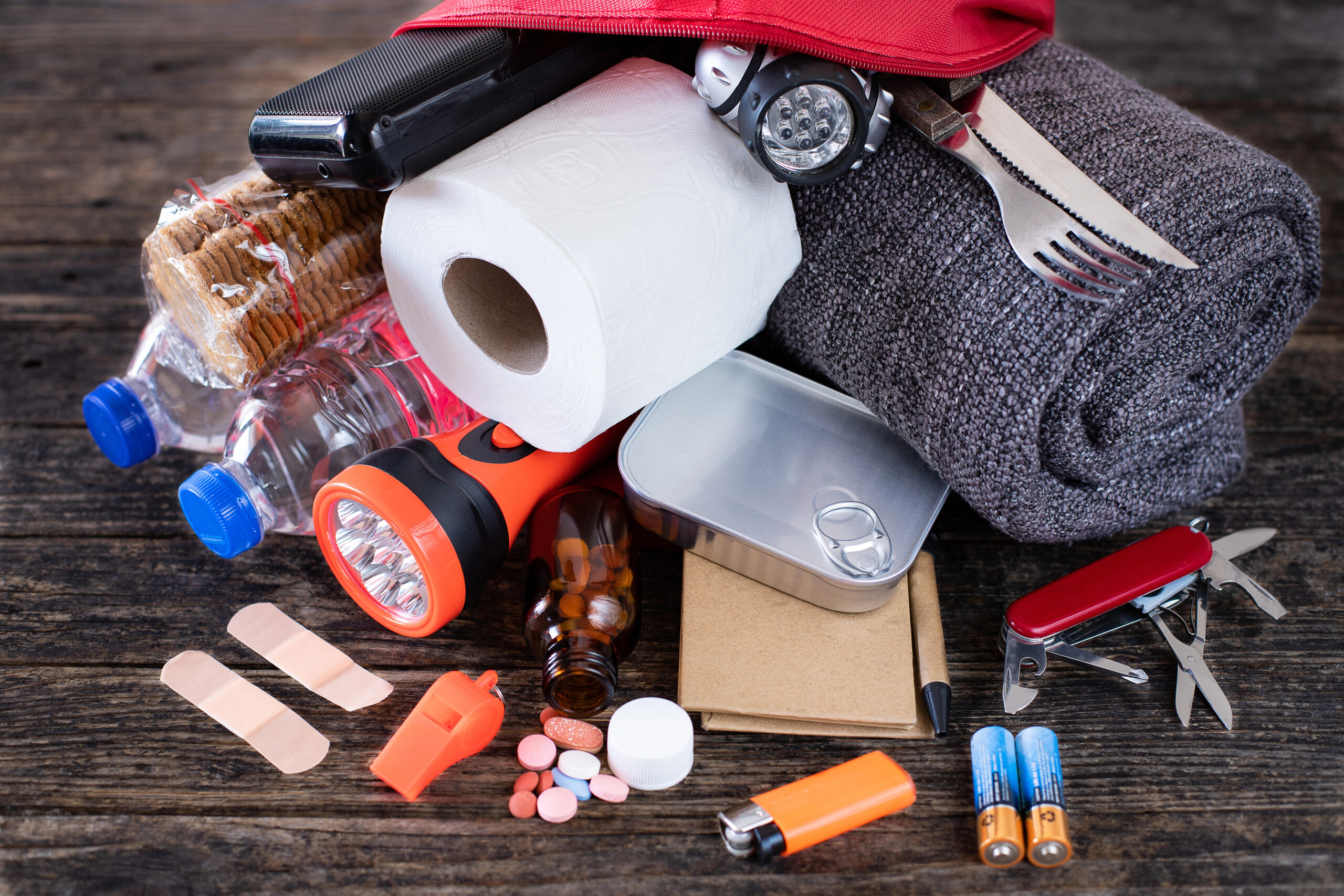
Your household should have enough supplies to last at least three days, or 72 hours. Keep it portable in a backpack or suitcase, so it’s easy to grab in an evacuation.
You may want to include:
- Water (2 litres per person per day)
- Non-perishable food and a manual can opener
- Three-day supply of medications, infant formula, diapers, bottles and pet supplies, as needed.
- Flashlight and extra batteries or a crank-powered light
- Battery-powered radio
- Whistle and blankets
- First aid kit with bandages, antiseptic wipes, gloves and pain relievers
- Hand sanitizer and face masks
- Personal items such as toilet paper, soap, toothbrush and toothpaste
- Copies of important documents such as birth certificates, passports, health cards, insurance policies, wills and contact numbers.
- Cash in small bills and some change
Check your kit annually and replace food, water and batteries as needed. You may already have many of these items at home, or you can purchase a pre-packaged kit online or in-store. It’s also recommended to keep a basic emergency kit in your car with water, snacks, blankets, a flashlight, kitty litter for traction, jumper cables, a whistle or flares and a phone charger—especially in winter.
Stay Informed and Connected
During an emergency, information and communication are key. Follow these steps to stay aware, connected and ready to act:
- Rely on trusted sources such as your municipality, province and local fire, police and public health services for updates and instructions, and avoid unverified information online.
- Check in on neighbours or anyone who may need extra help, such as older adults and those living with disabilities.
- Pay attention to emergency alerts on your phone and follow instructions immediately.
- If advised to shelter in place, stay indoors, close doors and windows and use towels to seal gaps, if needed. Do not leave your home until you receive official guidance that it’s safe.
- If told to evacuate, do so right away. Take your emergency kit, medications, important documents, pets and any essential personal items. Follow designated routes and avoid shortcuts that may be unsafe.
Be Ready, Stay Safe
While emergencies are rare and unpredictable, taking time in advance to understand your risks and get prepared can make all the difference when it comes to your safety. With these steps in place, you can face challenging situations with more confidence, knowing you and your loved ones are better prepared for whatever comes your way.
If you enjoyed this article, you may also want to read: