
Caring for a Loved One with Osteoporosis
May 25, 2026
|
Osteoporosis, a disease that weakens bones and makes them fragile and more likely to break, is more common than many people realize. In Canada, an estimated 2.3 million people are living with the condition, and 1 in 3 women and 1 in 5 men will experience an osteoporosis-related fracture in their lifetime. If you or someone you love has symptoms, concerns about bone health, or has experienced a fall or fracture, seek medical guidance immediately.
Because osteoporosis develops gradually and often without obvious symptoms, it can come as a surprise diagnosis. For caregivers and loved ones, this often means adjusting to new concerns, particularly around falls, fractures and maintaining independence.
With the right support, lifestyle changes and medical care, many people continue to live active and fulfilling lives. Caregivers and loved ones play an important role in helping individuals stay safe, confident and independent. If you are supporting a loved one with osteoporosis, here’s what you need to know.
What is Osteoporosis?
Osteoporosis literally means “porous bone.” It’s a disease where bones lose density and strength, making them more fragile and likely to fracture. Our bones are living tissue that is constantly being broken down and rebuilt. When we are younger, the body builds bone faster than it loses it. As we age, this process shifts and bone loss begins to outpace bone formation, resulting in weaker, more fragile bones over time.
Certain factors can accelerate this process, including menopause, family history, medications, chronic illnesses, poor nutrition and lack of physical activity. While osteoporosis is most common in older adults, particularly postmenopausal women, it can affect men and younger individuals as well.
Because symptoms are often not noticeable, many people don’t realize they have osteoporosis until a fracture occurs. Fractures can happen from minor incidents, such as a fall from standing height or even everyday movements like bending or lifting. In some cases, symptoms such as back pain, height loss, or a stooped posture may appear, but not always.
Supporting a Loved One
While osteoporosis increases fracture risk, taking steps to reduce that risk, along with support from family and friends, can help prevent injury and support independence. If someone in your life is living with osteoporosis, the following strategies can help them stay safe, active and well.
Home Safety
Most falls happen at home, but simple changes can reduce risk and improve confidence.
Caregiver Strategies:
- Keep walkways clear and uncluttered
- Remove or secure loose rugs
- Install grab bars in bathrooms and handrails on stairs
- Improve lighting in hallways and stairways
- Keep frequently used items within easy reach
- Ensure high-risk tasks such as climbing step ladders or moving heavy furniture are avoided or completed with assistance
- Use mobility aids such as canes or walkers as recommended by a healthcare provider
- Consider an occupational therapy assessment for personalized home safety support
Bone-Healthy Nutrition
Nutrition plays a key role in slowing bone loss and maintaining strength, and can be supported through shared healthy eating habits.
Caregiver Strategies:
- Include calcium-rich foods such as dairy products, leafy greens (kale, bok choy), tofu, almonds, and fortified plant-based milks
- Use calcium supplements if recommended by a healthcare provider
- Ensure adequate vitamin D intake through diet or supplements as advised
- Include protein-rich foods such as meat, eggs, beans and nuts
- Explore and prepare bone-healthy meals together
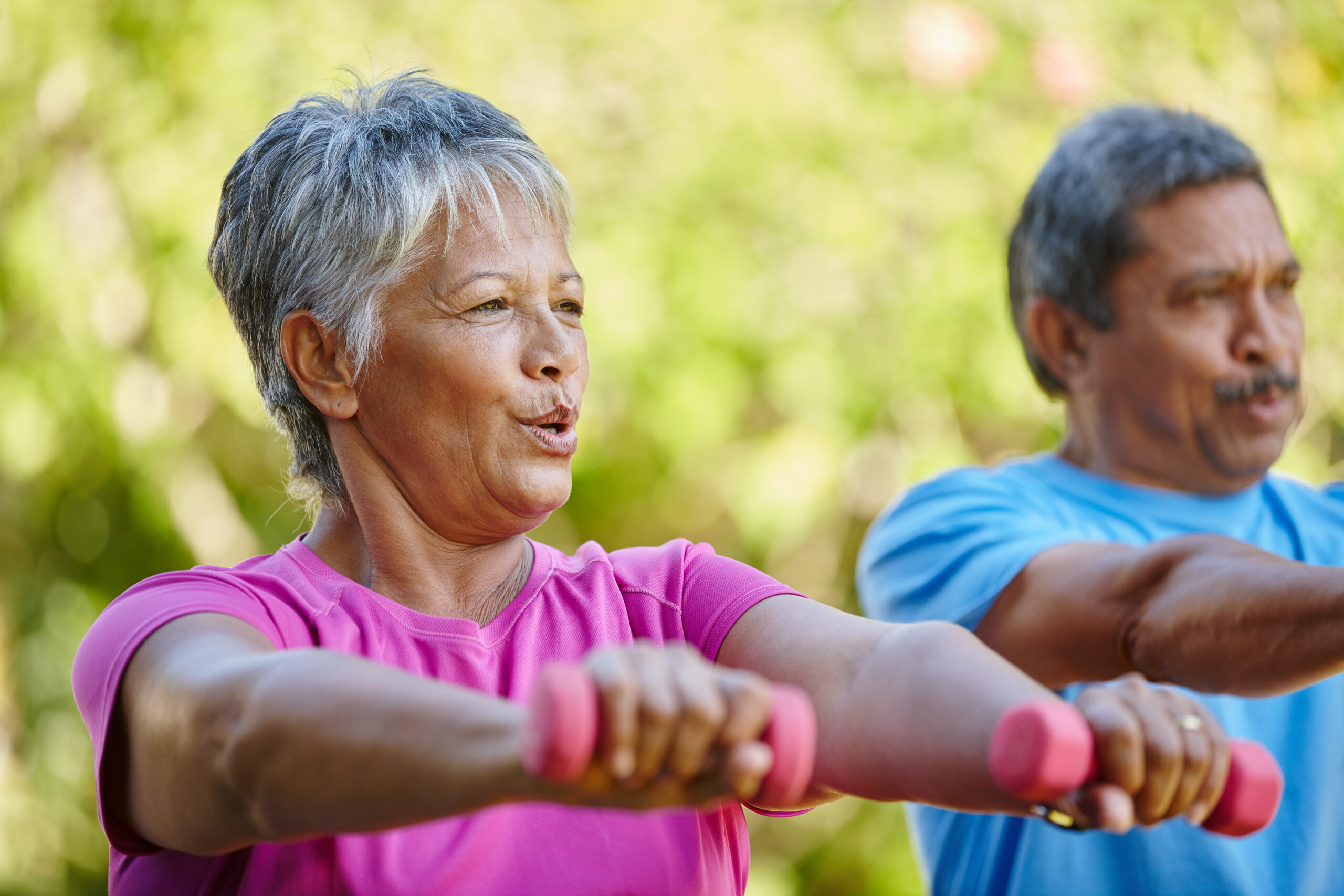
Physical Activity and Movement
Staying active helps maintain bone strength, muscle mass, and balance while also reducing fall risk.
Caregiver Strategies:
- Encourage a mix of weight-bearing, strength and balance exercises (e.g., walking, squats, tai chi or yoga)
- Exercise together when possible
- Explore community or online osteoporosis-friendly exercise programs
- Check with a healthcare provider before starting a new exercise routine, especially if your loved one’s fracture risk is high
Healthy Lifestyle and Safety Habits
Daily habits can make a meaningful difference in bone health, medication safety and fall risk.
Caregiver Strategies:
- Support quitting smoking and limiting alcohol and caffeine intake
- Report falls, dizziness or balance concerns to a healthcare provider
- Review medications for side effects such as dizziness or drowsiness
- Encourage supportive, well-fitting footwear
- Arrange regular vision and hearing checks
- Model healthy lifestyle routines
Caring for someone with osteoporosis is an ongoing process that changes over time. Staying informed, making practical adjustments, and supporting healthy habits can help reduce the risk of falls and fractures. With consistent support, individuals can maintain independence and continue to live active, fulfilling lives.
If you enjoyed this article, you may also want to read: